



MBABANE – Eswatini is positioning itself to access a new international climate financing mechanism expected to begin receiving funding proposals in October 2026 following the conclusion of a regional dialogue on climate-induced loss and damage in Malawi.
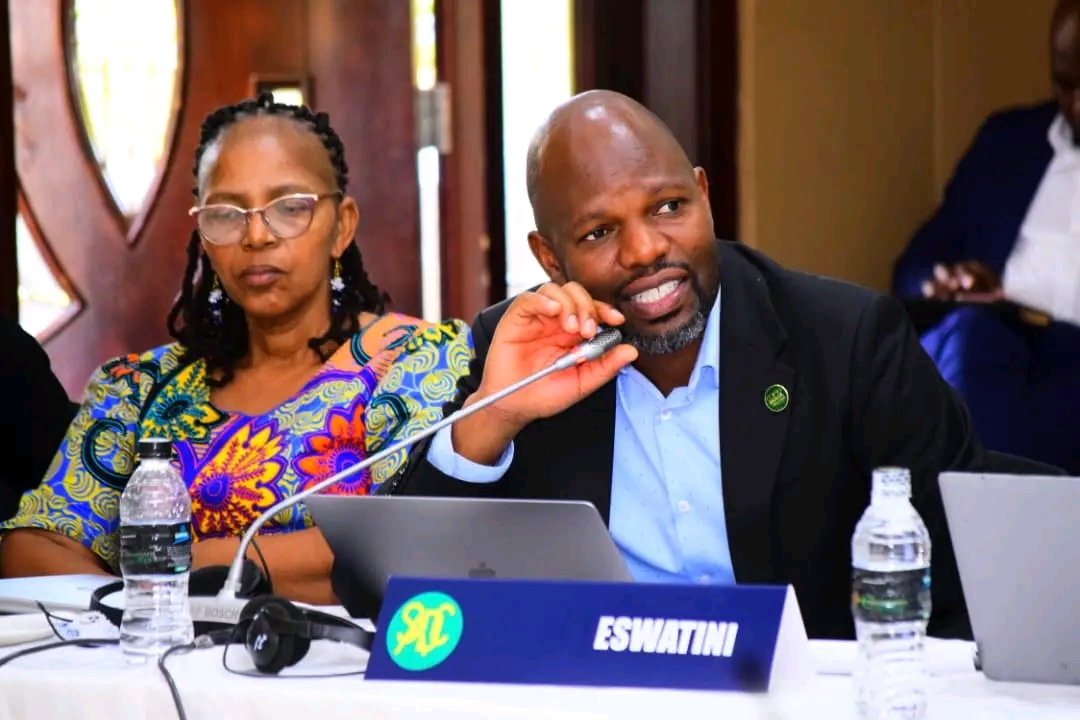
The country was among Southern African Development Community (SADC) member states that participated in the SADC Regional Dialogue on Loss and Damage held in Lilongwe from June 8 to 12, where governments, international financial institutions, United Nations agencies and development partners gathered to formulate a common regional position on addressing climate-related losses.
The dialogue was convened by the SADC Secretariat with support from the World Bank-funded Regional Climate Resilience Project (RCRP).
In a statement, the SADC Secretariat said the meeting came at a critical time for Southern Africa, which continues to face increasingly frequent and severe droughts, floods and tropical cyclones that are reversing development gains, placing pressure on public finances and threatening the livelihoods of millions of people.

The Secretariat noted that climate shocks were becoming increasingly systemic and transboundary, creating what it described as a regional polycrisis characterised by climate risks, food insecurity, economic instability and displacement.
According to the SADC Secretariat, agriculture has emerged as the sector most affected by climate change across the region, accounting for between 44 and 71 percent of total disaster damages. Recent disasters, including Cyclones Idai, Ana, Gombe and Freddy, generated recovery needs amounting to billions of dollars and exposed widening financing gaps for response and recovery efforts.
While member states have made significant progress in strengthening disaster preparedness over the past decade, the Secretariat said financing for recovery had not kept pace with the increasing scale and frequency of climate impacts.
The regional body highlighted several milestones achieved through the implementation of the SADC Disaster Risk Management Strategy and Action Plan, including the establishment of the SADC Humanitarian and Emergency Operations Centre (SHOC), the operationalisation of the SADC Emergency Response Team (ERT) and the strengthening of regional early warning systems.
However, the Secretariat stressed that preparedness alone was no longer sufficient.
“Recovery continues to rely heavily on humanitarian appeals and emergency budget reallocations, creating growing recovery deficits that undermine long-term resilience,” the Secretariat said.
The dialogue therefore marked what the Secretariat described as an important shift in SADC’s resilience agenda from strengthening preparedness to building recovery readiness.The discussions also formed part of efforts to operationalise the recently approved SADC Regional Disaster Recovery Framework (2026-2030), which provides a common framework for resilient recovery across member states.
A major focus of the meeting was the Fund for Responding to Loss and Damage (FRLD), an international climate finance mechanism established to support vulnerable countries facing unavoidable climate-related losses.
The SADC Secretariat said the fund is expected to launch its first call for funding proposals in October 2026, making it essential for member states to strengthen their readiness to access emerging climate finance opportunities.
Eswatini was represented at the dialogue by National Disaster Management Agency (NDRMA) Chief Executive Officer Lusekwane Mahlalela, alongside Lucky Sigudla from the Department of Meteorology’s Climate Change Unit and Zandile Mavuso from the Deputy Prime Minister’s Office.
In a separate statement issued following the conclusion of the dialogue, the NDRMA said Mahlalela amplified Eswatini’s voice by highlighting the challenges faced by smaller climate-vulnerable nations.According to the agency, Mahlalela told delegates that while Eswatini may not frequently experience large-scale disasters that attract international attention, it continues to endure recurring localised events such as severe storms whose cumulative impacts place a significant strain on the national budget, disrupt livelihoods and constrain economic growth.
The NDRMA said the discussions underscored the need for global financing mechanisms to recognise the realities of smaller countries whose repeated climate-related losses often go unnoticed despite their profound developmental impact.
As the national focal institution for the Fund for Responding to Loss and Damage, the agency said it would intensify efforts to position Eswatini to access the fund through the development of quality resilience investment proposals and strategic concepts.
The NDRMA further announced plans to promote greater private sector participation in financing loss and damage initiatives while developing a national roadmap aligned with the regional position adopted during the dialogue.
The roadmap is expected to guide Eswatini’s efforts to mobilise climate finance and strengthen long-term resilience against future climate shocks.
The dialogue concluded with the adoption of a SADC Regional Position on Loss and Damage, which establishes four strategic priorities for the region.
These include strengthening evidence and knowledge systems to improve the assessment of climate-related losses, enhancing governance and institutional readiness, improving access to sustainable climate finance and strengthening implementation capacity through partnerships and coordination.
According to the SADC Secretariat, these priorities will guide the development of regional investment pipelines, strengthen member states’ capacity to prepare bankable proposals and improve access to international climate finance while ensuring recovery efforts contribute to long-term resilience.
The urgency of these efforts has been heightened by forecasts indicating the possibility of a Super El Niño event during the 2026/27 season, which could significantly worsen drought conditions, food insecurity and economic losses across Southern Africa.


By adopting a common regional position, the SADC Secretariat said member states were reinforcing their collective voice in global climate negotiations while advancing a new approach that views disaster risk reduction, resilient recovery and climate finance not only as humanitarian priorities but also as strategic investments aimed at protecting livelihoods, safeguarding development gains and strengthening regional integration.
For Eswatini, the outcome of the Lilongwe dialogue represents an important step towards securing access to the anticipated October 2026 funding window and strengthening the country’s resilience to the growing impacts of climate change.


Discussion about this post