



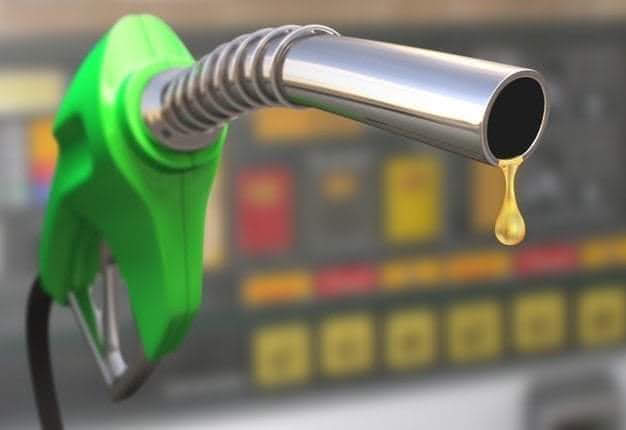
Motorists in Eswatini may soon face higher fuel prices following South Africa’s announcement of significant adjustments to fuel costs, which will take effect from June 3, 2026.
South Africa’s Minister of Mineral and Petroleum Resources announced on Monday that petrol prices will increase by 143 cents per litre, while diesel prices will decrease substantially. The changes are expected to have implications for Eswatini, which relies heavily on South Africa for its fuel supplies and often adjusts local fuel prices in line with developments in the neighbouring country.
According to the minister, the fuel price adjustments were influenced by a combination of international and local factors, including rising crude oil prices, exchange rate movements, and changes to government levies.
The average Brent crude oil price increased from US$101 to US$104.59 per barrel during the review period. South African authorities attributed the increase to continued tensions between the United States and Iran, as well as the closure of the Strait of Hormuz, a critical global oil shipping route.


However, international prices for refined petroleum products declined during the same period. Diesel and illuminating paraffin recorded larger decreases than petrol due to reduced seasonal demand in the northern hemisphere as summer approaches. These developments helped lower the basic fuel price components for diesel and paraffin.
The South African rand also strengthened slightly against the US dollar, appreciating from an average of R16.65 to R16.52 per dollar. This provided some relief by reducing fuel import costs.
Despite these favourable factors, petrol prices were pushed higher by the implementation of an increased slate levy and the reduction of temporary fuel levy relief measures introduced by the South African government.


The cumulative slate balance, which is used to recover under-recoveries in the fuel pricing system, stood at a negative R18.28 billion at the end of April 2026. As a result, the slate levy on petrol and diesel increased from 122.70 cents per litre to 157.74 cents per litre.
In addition, government reduced the fuel levy relief by R1.50 per litre for petrol and R1.96 per litre for diesel for the month of June.
As a consequence, the price of both 93 and 95 octane petrol will rise by 143 cents per litre. In contrast, diesel containing 0.05 percent sulphur will decrease by 324.96 cents per litre, while diesel with 0.005 percent sulphur will fall by 261.96 cents per litre.
Illuminating paraffin will become cheaper by 596 cents per litre at wholesale level, while the maximum retail price of LPGas will decrease by 17 cents per kilogram nationally.
The latest South African adjustments will be closely monitored in Eswatini, where fuel pricing authorities regularly assess international and regional market trends when determining local fuel prices. A petrol increase would place additional pressure on households and transport operators already grappling with the rising cost of living, while lower diesel prices could provide some relief to businesses that depend on road transport and agricultural operations.


Discussion about this post