



MBABANE – The Ministry of Information, Communications and Technology (ICT) has officially endorsed the Digital Landscape Assessment Report, marking a significant step towards the development of a new national e-Government strategy aimed at improving public service delivery through digital transformation.
The report was received during a breakfast meeting held at Mountain View Hotel on Thursday, where government officials, including principal secretaries from various ministries, gathered to review findings from the assessment.
The assessment evaluated the implementation of Eswatini’s 2015-2019 e-Government Operational Framework, examining progress made, existing gaps and challenges affecting digital transformation across government institutions. Copies of the report were handed over to representatives from 21 government ministries.
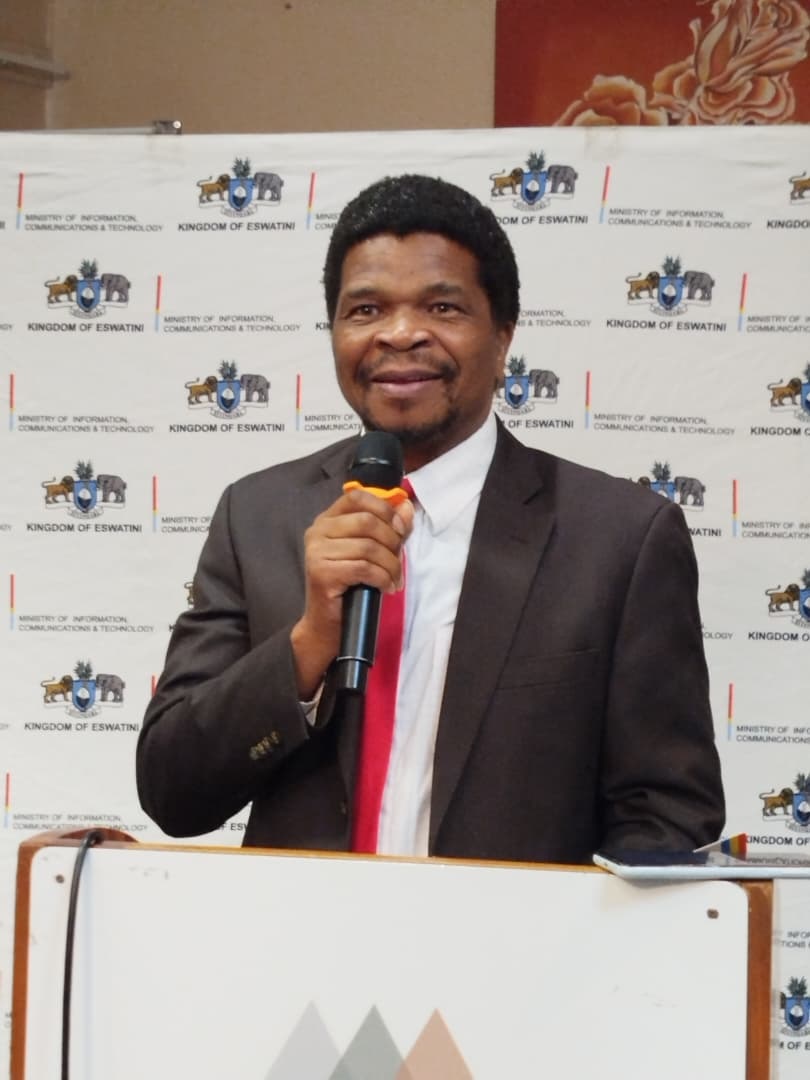
Speaking during the event, Principal Secretary in the Ministry of ICT, Prince Mshishimba A.S. Dlamini described the report as a critical foundation for shaping the country’s future digital agenda.


“A Digital Landscape Assessment, valuable as it is, is not the destination. It is a map,” he said. “Its worth is determined not by how well it is drawn, but by whether it guides us to where we need to go.”
Dlamini said the report provides government with a consolidated picture of the current state of digital transformation, including the condition of ICT infrastructure, institutional readiness, human resource capacity and data management systems across ministries.
He said the findings would help government make informed decisions and establish measurable targets for the next phase of digitalisation.
“We commissioned this exercise not to produce a document that sits on a shelf, but to give us the intelligence to build something lasting: a government that delivers digital services to its citizens safely, efficiently, conveniently and transparently,” he said.
The principal secretary stressed that the report was not intended to expose weaknesses within ministries, but rather to create accountability and encourage collective ownership of the digital transformation agenda.


He urged principal secretaries to use the report as a tool to advocate for resources, institutional reforms and capacity building within their respective ministries.
According to Dlamini, the Government of Eswatini envisions a digitally enabled public sector capable of delivering seamless and citizen-centred services across the country.
He said government wants citizens in both urban and rural areas to access services without unnecessary barriers, while also ensuring civil servants are equipped with the skills and technology required to improve efficiency.
“We want our data systems to speak to one another, so that decisions at every level of government are informed by evidence,” he said.
Dlamini also challenged the perception that digitalisation is solely the responsibility of ICT professionals, insisting that it requires leadership and commitment at the highest levels of government.
“The digitalization of government services is a leadership matter. It requires champions at the highest levels of every institution,” he said.
He added that some ministries were more advanced than others in terms of digital readiness, but said this should motivate action rather than create embarrassment.
The Ministry’s e-Government Department is now expected to work with stakeholders to develop a new e-Government Strategy aligned with the broader national digitalisation agenda themed “Government In Your Hand”.
Dlamini said the strategy would outline clear priorities, accountability measures and timelines for implementation.
“The question before us is not whether we should digitalize government. That question has been answered,” he said. “The question is whether we have the courage, the coordination, and the commitment to do so with urgency and purpose.”


Discussion about this post