



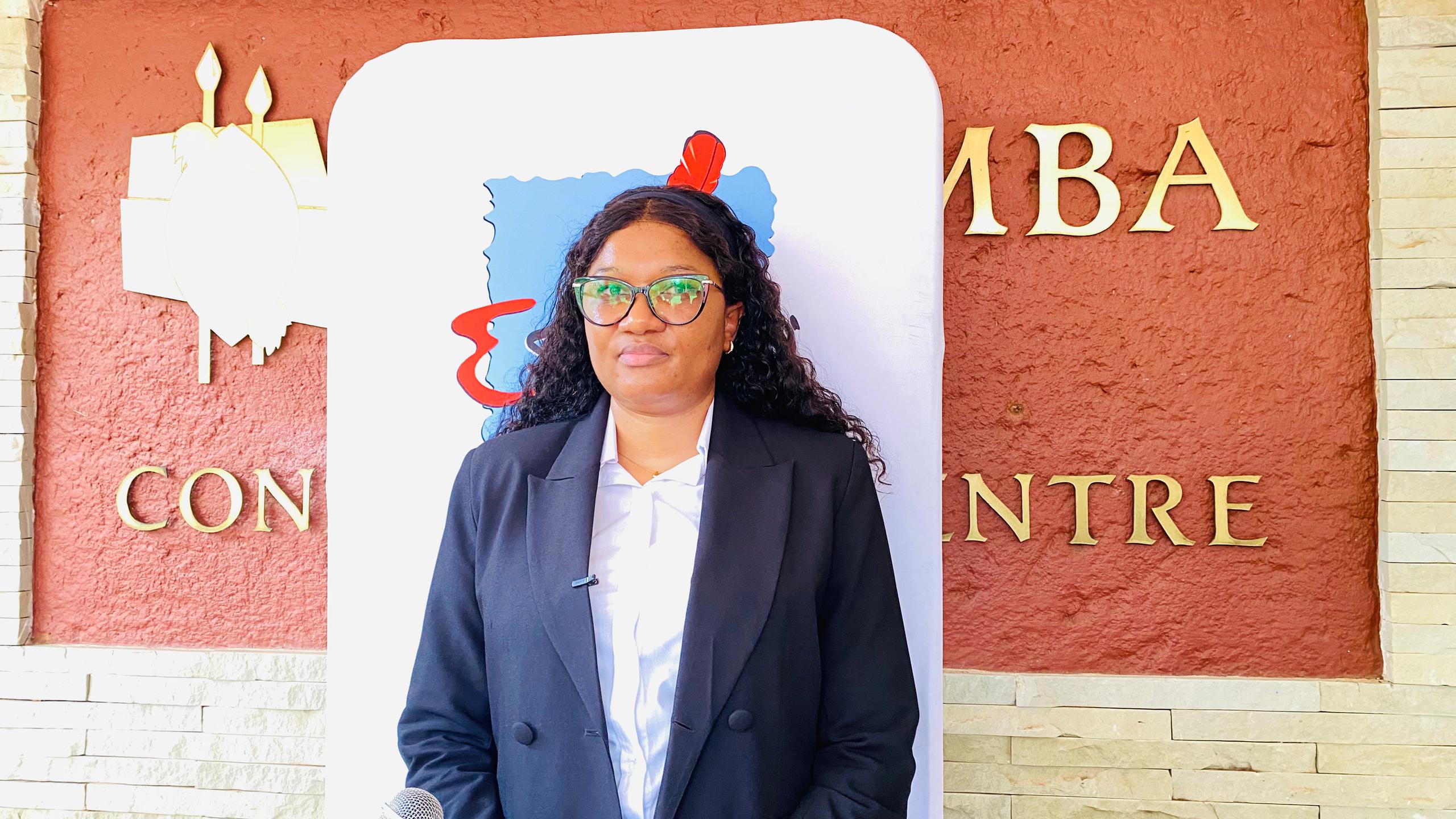
Mbabane- The Eswatini Tourism Authority (ETA) today held a key educational meeting at Royal Villas in Ezulwini, focusing on the bed levy regulations that guide tourism establishments across the country.
Khulile Dlamini, ETA Chief Financial Officer, said the aim of the meeting is to educate stakeholders on the 2012 tourism regulations, particularly the bed levy that establishments must collect from guests. She explained that the levy is crucial in helping the Authority market and promote Eswatini on regional and international platforms.
“The bed levy is a legal requirement, and the funds collected are used to market Eswatini as a tourism destination,” said Dlamini. “Our aim is to ensure all establishments understand the regulations and comply.”
Dlamini said the educational initiative was designed to reach all tourism establishments across Eswatini. She reiterated that every establishment must register with the Ministry of Tourism and comply with the 3 percent bed levy, which is submitted to the Eswatini Tourism Authority.


ETA is prioritising this educational exersise to ensure that all establishments are informed before any enforcement actions are taken. Dlamini added that the bed levy has been in effect since 2012, but some establishments have not been compliant, some due to ignorance of the regulation.
Stakeholders, however, raised concerns about the payment timeline. They argued that the requirement to submit the levy within 30 days after issuing an invoice is challenging, especially for small businesses that often face cash flow constraints.
Vicky, from Vicky’s Lodge, said the rule is unfair and places small businesses at a disadvantage. “Sometimes clients pay as late as three months and we are then forced to pay the bed levy from our own pockets,” she said. “Government expects the bed levy within 30 days after the client has been invoiced, yet many small businesses do not have the cash flow to cover the levy before payment is received from the client.”


Vick also raised concerns about the increasing number of unregistered guesthouses operating in the country. She described them as unfair competition to registered establishments, saying they are not paying the bed levy or complying with tax regulations.
“These unregistered entities are not paying the bed levy and are not tax compliant, yet they operate alongside registered businesses that employ emaSwati. The levies should not push us out of business,” she said.
In response, Dlamini said ETA is intensifying its campaign to ensure all establishments are registered and compliant. She said the training session was intended to educate operators on how to comply with the regulations and to highlight the benefits of doing so.
“We came here to train operators so they can comply with the regulation and understand how it benefits the industry,” said Dlamini


Discussion about this post