



MBABANE – The Eswatini Higher Education Council (ESHEC) has cautioned the public against the growing misuse of honorary academic titles, particularly by individuals who refer to themselves as “Doctor” or “Professor” without having earned those qualifications through formal academic routes.
The warning comes as neighbouring Ghana’s Tertiary Education Commission issued a directive this month, stating that holders of honorary doctorates or professorships should cease using those titles in public settings. While the directive applies to Ghana, it has reignited debate in Eswatini where similar practices have been observed.
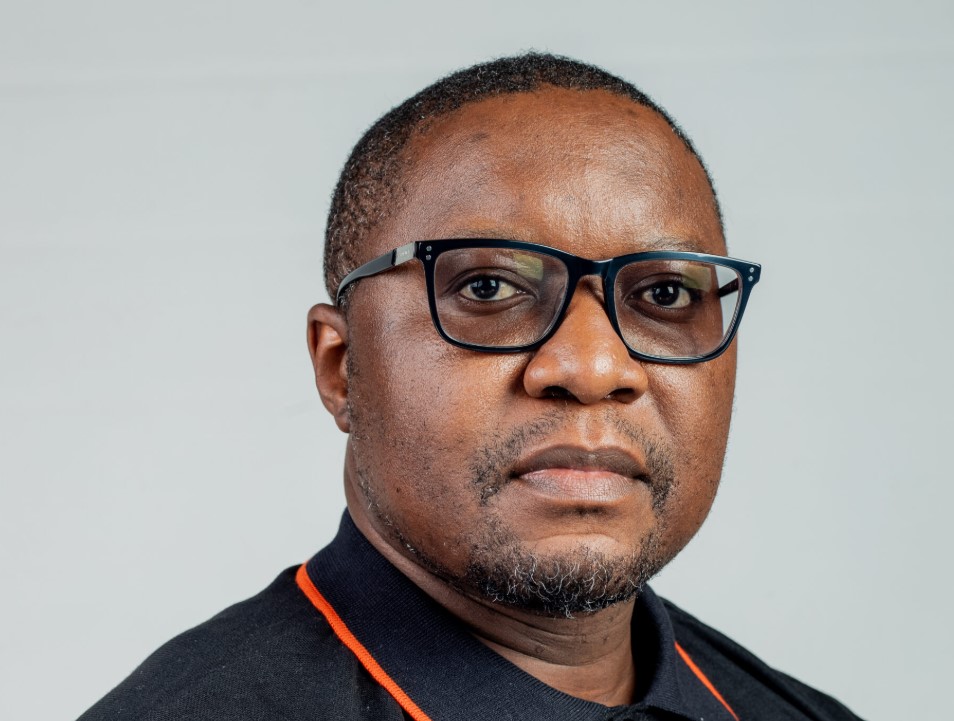
ESHEC’s Advocacy and Communications Officer, Mihla Khumalo, said misuse of such titles can mislead the public and damage trust in the education system. “Honorary degrees should not be used to imply academic or professional competence unless they were earned through actual academic study,” he said.
In Eswatini, there is growing concern that some politicians, church leaders and business figures are using honorary degrees to project a false sense of scholarly authority. The Council reiterated that true doctoral degrees and professorships are reserved for individuals who have completed extensive research, teaching, and peer-reviewed scholarship.


ESHEC also referenced the Higher Education Regulations of 2016, which outline stringent requirements for institutions seeking academic recognition, including infrastructure standards and internal quality assurance systems. These regulations do not apply to honorary awards unless submitted for official scrutiny.


The Council has in the past encouraged holders of foreign qualifications to submit them for verification. In 2019, then Executive Director Mboni Dlamini warned the public against degrees issued by unrecognised institutions, stating that such qualifications would not be honoured locally.
Locally, the Conferment of Honours Act of 1970 only allows national titles to be conferred by His Majesty the King in consultation with the Prime Minister. The law also prohibits citizens from accepting foreign honours or titles without written government approval.
Education professionals warn that failing to enforce these regulations risks damaging the country’s academic credibility. A senior lecturer at the University of Eswatini, who spoke anonymously, said there must be a clear distinction between honorary recognition for social contribution and academic titles earned through rigorous scholarship.
Globally, the issue remains a grey area. In the United States, for example, no law prohibits the use of “Dr” by holders of honorary degrees, but it is widely considered unethical unless clearly identified as honorary.


Discussion about this post