



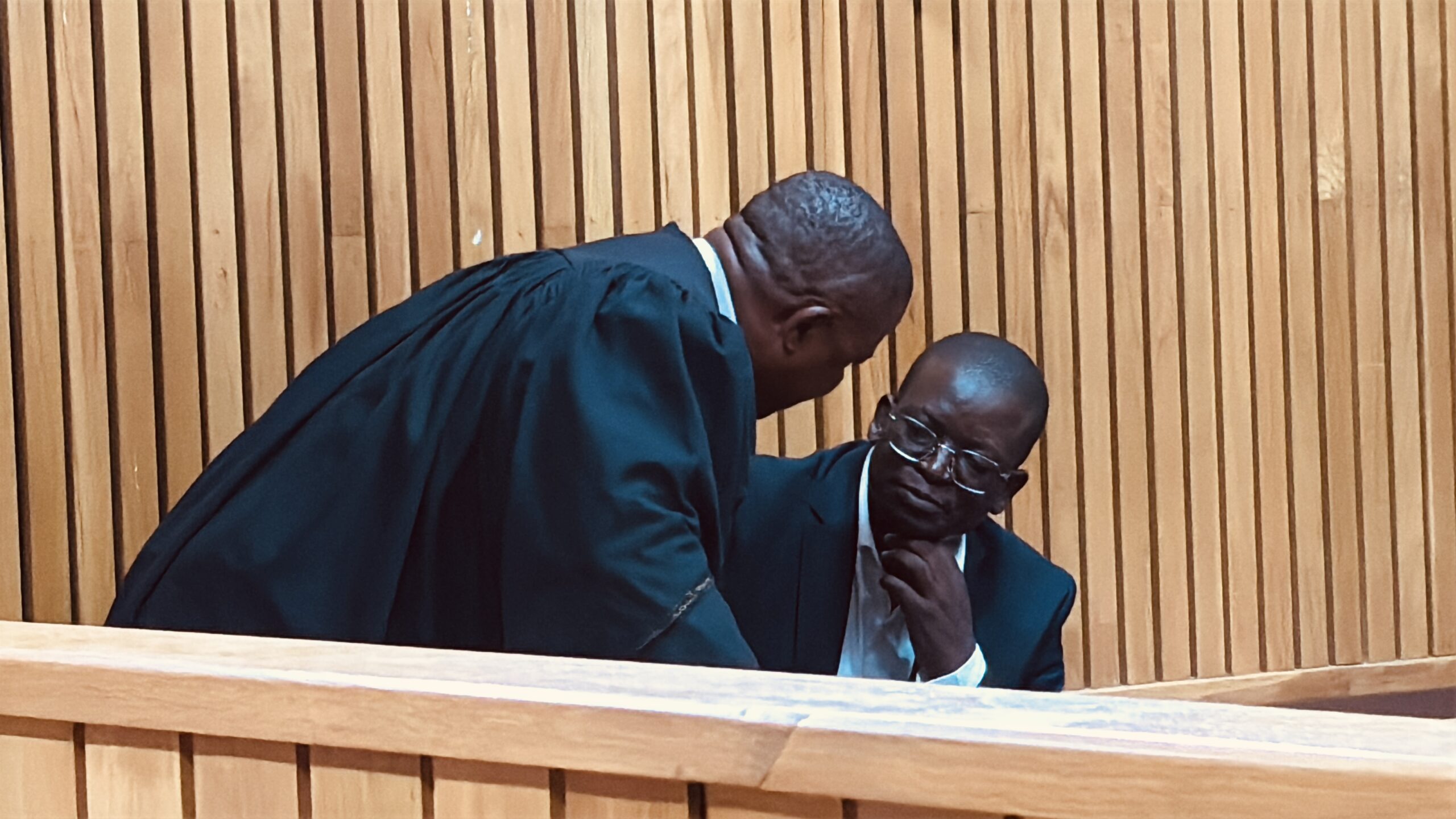
Mbabane – A dispute over the concealment of witness identities and the late delivery of evidence has delayed the murder trial of Mashumi Shongwe, who is accused of killing his wife, Tigezile Magongo.
The matter was postponed to November 3, 2026, when it came before High Court Judge Sabelo Masuku, after defence lawyer Ben J. Simelane said he was not ready to proceed because two additional witness statements had only been served on the defence on Monday.
Simelane argued that the defence had not been given sufficient time to study the statements and consult Shongwe, describing them as crucial to the case. He also complained that evidence had been provided in instalments, leaving the defence struggling to prepare adequately for trial.
However, the late delivery of the statements was not the only issue before the court. The defence also challenged the prosecution’s decision to redact the names and addresses of witnesses from statements previously supplied to it, arguing that the information had been withheld without the court’s authorisation.


Simelane submitted that the prosecution should have applied to the court for permission before interfering with the contents of the police docket.
He argued that the redactions could compromise the defence’s ability to cross-examine witnesses effectively, particularly when confronting them with previous statements that might contradict their testimony in court.
To illustrate his concern, Simelane explained that if a witness had previously stated that a vehicle which arrived at a particular homestead was red, the defence should be able to refer to that statement when questioning the witness. He argued that concealing identifying details could make it difficult to establish a clear connection between a witness and the statement being used during cross-examination.
In support of his argument, Simelane referred the court to the case of Phindile Mavuso, which he said recognises an accused person’s or their legal representative’s entitlement to the contents of a police docket, subject to certain exceptions.
He cited exceptions involving the identity of an informer, state secrets and police investigative techniques, arguing that the prosecution had not demonstrated that it was entitled to redact the statements in the manner it had.
Simelane maintained that the prosecution, rather than the defence, should have approached the court to obtain permission for the redactions.


The Crown, represented by Lukhele, defended its handling of the statements, explaining that the two additional statements had been obtained from South Africa after delays associated with procedures for sourcing evidence outside Eswatini.
Lukhele told the court that the prosecution had been liaising with its South African counterparts and only secured the statements on Thursday and Friday the previous week. The statements were then served on the defence on Monday.
The prosecutor acknowledged that Simelane needed time to examine the newly supplied evidence and consult his client. The Crown had nevertheless been ready to proceed with the commencement of the trial and had arranged for three witnesses to be available for the proceedings.
In the redacted statements, Lukhele argued that the concealment of the witnesses’ names and addresses was intended to protect them. The prosecution submitted that the redactions would not affect the admissibility of the statements because the witnesses would appear in court to give evidence, allowing the defence to question them.
Lukhele further argued that the relevant provisions of the criminal procedure law did not make the omission of a witness’s name or address a ground for excluding a statement from evidence.
The prosecution also raised concerns about the safety of potential witnesses, alleging that information obtained through open-source intelligence suggested that some witnesses could be targeted because of their anticipated testimony. The prosecutor referred to alleged communications involving the accused and a witness, which the Crown said contributed to its concerns.
Simelane objected to what he regarded as unfounded allegations being placed before the court, maintaining that the prosecution needed to follow the proper legal process to justify withholding information from the defence.
The dispute left the court to consider the competing concerns of witness protection, the prosecution’s handling of evidence and the accused’s right to prepare a defence.
The court also discussed the time required by the defence to examine the statements received on Monday. Simelane indicated that November 5 would be more suitable than October 29 for proceeding with the matter, citing the time needed to prepare and the statutory notice period for statements. The parties also discussed bringing the outstanding issues before the court through a formal application.

Discussion about this post