



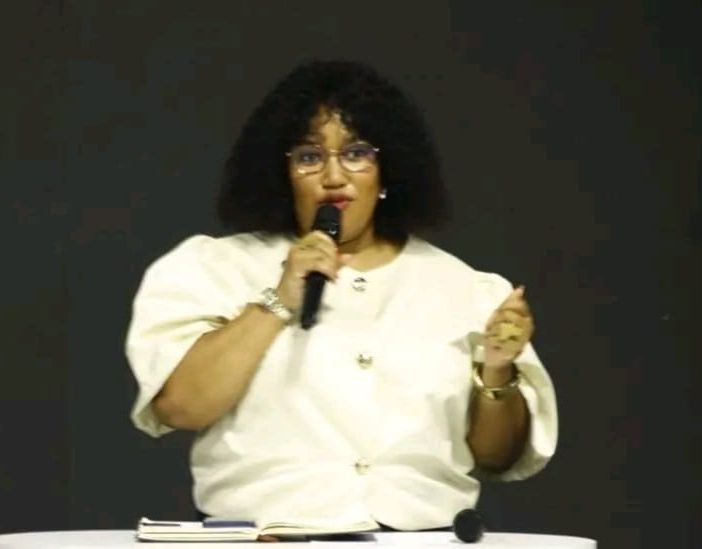
Ezulwini- UNESCO National Commission of Eswatini (NATCOM) has called for the enforcement of disability rights in the country’s 2028 general elections, emphasising that accessible voting facilities, procedures and materials must be backed by adequate funding to ensure persons with disabilities participate equally in the democratic process.
NATCOM Secretary-General Lwandle Simelane said Article 29 of the Convention on the Rights of Persons with Disabilities must guide electoral preparations to ensure that persons with disabilities can exercise their political rights, including the right to vote and stand for election.
Speaking during a Civic and Voter Education engagement for persons with disabilities at Happy Valley Hotel in Ezulwini, Simelane stressed that recognising these rights was not enough without practical measures to make electoral participation accessible to everyone.
She highlighted the importance of providing accessible electoral procedures, facilities and materials, as well as budgeting for reasonable accommodation to address the specific needs of persons with disabilities.

Her remarks come as Eswatini prepares for the 2028 general elections, placing the inclusion of persons with disabilities among the issues requiring attention as the Elections and Boundaries Commission (EBC) continues its electoral preparations.
Article 29 of the Convention on the Rights of Persons with Disabilities addresses the participation of persons with disabilities in political and public life. It requires states to guarantee their political rights and the opportunity to exercise them on an equal basis with others.
The provisions include ensuring that voting procedures, facilities and materials are appropriate, accessible and easy to understand and use. The article also protects the right of persons with disabilities to vote by secret ballot and to stand for election, hold office and perform public functions.
Simelane’s call therefore highlights the need to translate these principles into practical electoral arrangements, including ensuring that persons with disabilities can access voter education, understand the voting process and cast their ballots without unnecessary barriers.
The engagement brought together the EBC’s leadership and persons with disabilities to discuss how their participation could be improved ahead of the 2028 elections.
EBC Deputy Chairperson Bishop Sipho Tembe, accompanied by members of the commission’s Executive Board, acknowledged that participation by persons with disabilities had been low in previous elections.
Tembe said the engagement was intended to give the commission an opportunity to listen to the concerns of persons with disabilities, learn from their experiences and improve strategies for ensuring their meaningful participation.


He emphasised that all groups must be able to participate actively in the electoral process without exclusion.
The discussions focused on identifying ways to make elections more inclusive and accessible, with participants contributing ideas on how their needs could be better accommodated.
Beyond voter registration
The call for greater inclusion comes as the EBC intensifies its voter registration campaign ahead of the 2028 elections.
More than 15 000 Emaswati have reportedly registered to vote, with young people accounting for only 25% of those registered.
While the figures highlight the importance of encouraging broader participation, Simelane’s intervention draws attention to another dimension of electoral inclusion: ensuring that eligible citizens can exercise their rights regardless of disability.
For persons with disabilities, meaningful participation extends beyond registering to vote. It includes accessing electoral information, reaching polling stations, understanding voting procedures and having the opportunity to contest elections.
Adequate funding for reasonable accommodation is particularly important because accessibility measures require planning and resources. Without appropriate arrangements, persons with disabilities may encounter barriers that prevent them from participating on an equal basis with other voters.


Discussion about this post