



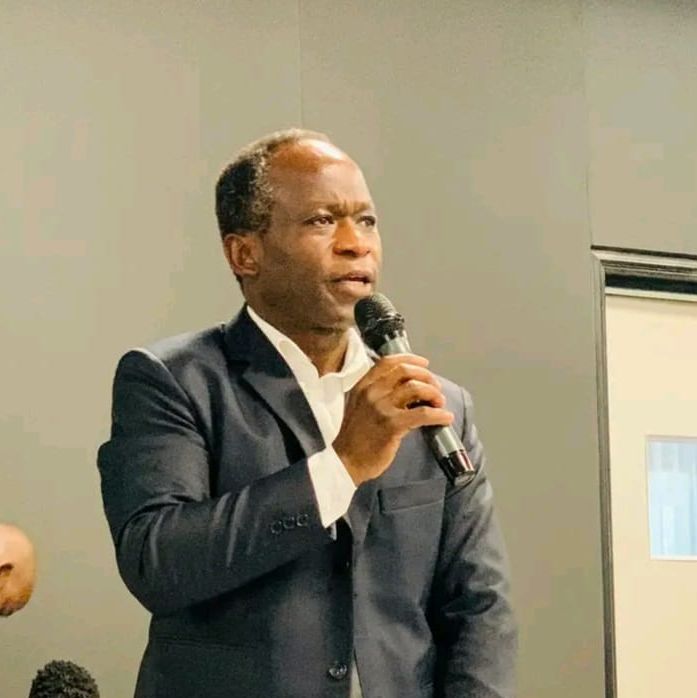
Lobamba- Lobamba Member of Parliament Michael Masilela has alleged corruption within the Ministry of Public Works and Transport, linking the alleged irregularities to the overtrading and permit problems that continue to affect the country’s public transport sector.
He made the allegations in the House of Assembly during debate on the Maximum Bus and Taxi Fares (Amendment) Regulations, 2026, shortly before Parliament approved the new fare structure that will see short-distance fares increase by 25 per cent and longer-distance fares by 10 per cent.
The proposed structure had previously been recommended by the Ministry of Public Works and Transport Portfolio Committee.
The MP initially alleged that officials within the ministry and transport operators were corrupt, but Nhlambeni Inkhundla MP Manzi Zwane objected to the blanket statement and called on Masilela to withdraw the allegation that “all operators are corrupt.”


Zwane argued that transport operators who were not present in Parliament should not be collectively accused of corruption without an opportunity to respond.
Masilela subsequently withdrew the statement referring to all operators, but maintained his allegation that there was corruption within the Ministry of Public Works and Transport.
He cited the continued problem of overtrading and alleged irregularities involving public transport permits.
According to Masilela, there were instances where permits whose owners had cancelled them were allegedly renewed by the ministry years later. He argued that such practices contributed to the overtrading problem in the public transport sector.
“Overtrading is caused by too much corruption,” he alleged.
The allegations came as Parliament considered higher fares that will increase the maximum fare for journeys of up to eight kilometres from E10 to E12.50, while fares for longer journeys will rise by 10 per cent under the approved structure.
Masilela also questioned the justification for increasing transport fares while elderly people continued to struggle financially.
He said he was shocked that the same Government that had not increased the elderly grant had approved an increase in public transport fares.
Drawing from his experience as a former bus driver before becoming a businessman and MP, Masilela said he had personally encountered elderly passengers who could not afford the full fare.
He recalled instances where elderly passengers would ask to pay less because they did not have enough money, leaving drivers with less than the amount they were supposed to collect.
Masilela said Government should consider increasing support for elderly people as the cost of living continues to rise.
“It is the elderly who elected us; it is them who also board the buses,” he said emotionally.


He further appealed for Government to consider the plight of ordinary citizens as prices of essential goods and services continue to increase.
“Lokubuhlungu sengivela Emaswati konkhe lokukhulako kubheke Emaswati,” he said.
Meanwhile, Lobamba Lomdzala MP Marwick Khumalo questioned the sustainability of the fare increase in light of continuing fuel-price pressures.
Khumalo sought clarity on whether the approved adjustment would remain viable if fuel prices continued rising, particularly given the impact that fuel costs have on public transport operators.
The fare debate also exposed wider concerns about the management of the public transport sector, including permit rentals and overtrading.
Phondo MP said his constituency had been affected by the permit system, alleging that at one point they went almost two years without a bus because a person holding a permit did not have a bus, while another person who wanted to operate a bus was allegedly told by the ministry that the existing permit had to be removed first.
He also raised concerns about alleged corruption surrounding the renting of permits.
Minister of Tinkhundla Administration and Development Sikhumbuzo Dlamini called on Minister of Public Works and Transport Chief Ndlaluhlaza Ndwandwe and Minister of Commerce, Industry and Trade Manqoba Khumalo to look into the operations of commercial transport associations.
Dlamini said some individuals had allegedly remained in committees for more than 20 years and were reluctant to leave their positions.
Honourable Lomalanga Dlamini also pleaded for improved public transport in areas where communities travel long distances.
She cited the distance between the border gate and Dlawini and said learners in some areas were forced to travel long distances to school because of a lack of public transport.
The transport concerns were raised as Parliament formally approved the fare adjustment following consideration of the portfolio committee’s report. The committee had sought to balance the financial pressures facing operators with the ability of commuters to absorb higher fares.
The transport industry had initially sought a 50 per cent increase, citing rising fuel and operating costs, while the committee settled on a 25 per cent increase for journeys of up to eight kilometres and 10 per cent for longer-distance fares.
The Ministry has also indicated that it intends to introduce a Road Transport Permit Management System to address problems surrounding permit rentals by linking vehicle owners with permit holders. It has further proposed a scientific formula for future fare reviews rather than relying directly on fuel-price increases.
The new fares will become legally effective once the amended regulations are published in the Government Gazette.

Discussion about this post