



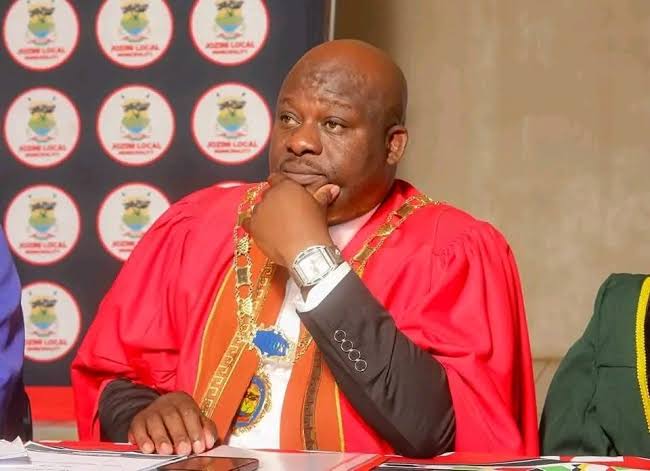
MBABANE- Jozini Local Municipality Mayor Nkosinathi Myeni has alleged that some Emaswati and Mozambicans are stealing medication from South African clinics and hospitals near the border and selling it in their home countries.
The mayor highlighted what he described as a growing cross-border crime problem affecting communities in northern KwaZulu-Natal.
Myeni made the claims during an interview on SABC’s Morning Live programme under the “Your Voice, Your Choice” segment, where he was responding to questions about wasteful expenditure and criminal activities within the municipality.
The municipality, which falls under the uMkhanyakude District Municipality, shares borders with both Eswatini and Mozambique and has for years struggled with challenges associated with undocumented migration, stock theft, smuggling and other forms of cross-border crime.

According to Myeni, the absence of adequate border fencing has made it difficult to control the movement of people between the three countries.
“People come and go as they please from neighbouring countries, including Eswatini and Mozambique,” he said.
The mayor revealed that he had previously written to KwaZulu-Natal Premier Thamsanqa Ntuli requesting urgent intervention. He said the provincial government had since provided a drone to assist authorities in monitoring illegal cross-border activities.
However, Myeni said the problem remained significant.
He alleged that some individuals from Eswatini and Mozambique visit clinics and hospitals located near the border, steal medication and transport it across the border for resale.
“People are sent to collect medication so that it can be sold,” he claimed, adding that many of those allegedly involved in the activity were undocumented immigrants.


While the mayor did not provide evidence to support the allegations, his remarks come at a time when both South Africa and Eswatini continue to battle challenges related to medicine supply chains and access to healthcare.
This year, government acknowledged ongoing medicine stock-outs and announced reforms aimed at strengthening procurement and distribution systems. The Ministry of Health has been allocated E3.24 billion for the 2026/27 financial year, with part of the funding earmarked for transforming the Central Medical Stores into the Eswatini Medical Supplies Agency (EMSA), a move intended to improve medicine availability and reduce chronic stock-outs.
Health Minister Mduduzi Matsebula recently tasked the newly appointed EMSA board with urgently addressing medicine shortages, noting that public health facilities continue to experience stock-outs, delayed deliveries and procurement inefficiencies that have affected service delivery, particularly in rural communities.
Drug shortages have remained a recurring issue in Eswatini’s healthcare system despite efforts by government to improve supply chains. Last year, Prime Minister Russell Dlamini identified multiple factors contributing to shortages, including procurement challenges and disruptions within the medical supply system.
Reports from Parliament, health officials and independent surveys have consistently highlighted public frustration over shortages of medicines and medical supplies. An Afrobarometer survey released last year found that many Emaswati attributed recurring shortages to inadequate funding and weaknesses within the health supply chain.
The health sector has also faced procurement controversies in recent years. In 2025, the suspension of medical supply tenders worth more than E570 million raised concerns about the country’s ability to maintain adequate stocks of essential medicines. Separate reports later indicated that emergency procurement measures intended to ease shortages had failed to deliver expected supplies.
Security analysts have long warned that disparities in healthcare access and economic opportunities across borders can create incentives for illicit trade in medicines and other goods. Border regions between South Africa, Eswatini and Mozambique have historically been vulnerable to smuggling networks involved in various forms of contraband.

Discussion about this post