



Mbabane – The Municipal Council of Mbabane (MCM) has set in motion an ambitious plan to overhaul the city’s public transport system, with hopes of easing congestion, improving commuter safety, and positioning the capital as a modern smart city.
This was revealed by MCM Director of Technical Services, Mzikayise Masina, the Chief Executive Officer Gciniwe Fakudze during the World Sustainable Transport Day commemoration held at the MVA Offices.
When highlighting the challenges choking the current public transport system, Masina said the Mbabane Bus Rank, which should ideally be used strictly for loading and offloading, had deteriorated into an all-purpose stop-over for parking, waiting, and offloading, resulting in persistent congestion.
He further disclosed that the capital’s public transport sector remains heavily skewed in favour of kombis, with the ratio of buses to minibuses standing at 1:9, despite one bus having the capacity to replace several kombis. This imbalance, coupled with uncoordinated route planning, unreliable schedules, unroadworthy vehicles, and poor customer experience, has driven more residents toward relying on private cars for their day to day transport needs, which intensifies traffic gridlock and emissions in the city.
Unveiling the new Public Transport Strategy, Masina said the plan rests on five main pillars: a reorganised public transport operations network, infrastructure upgrades, a strengthened legal framework, congestion management measures, and improved customer service.


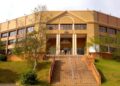
Among the key infrastructure proposals is a complete rehabilitation of the main bus rank into a modern terminal, the introduction of satellite ranks to reduce pressure on the Central Business Districts (CBD), and the creation of designated holding areas so that the main rank can operate efficiently.
He added that the Council would implement new public transport bylaws, introduce service-level agreements for operators, and adopt a data-driven approach to traffic management using smart cameras and digital counters.
The municipality is aiming to increase public transport ridership by at least 10 percent by 2029. Masina said the intention is to make public transport a “safe, reliable, and dignified” option, especially for people living with disabilities, who have long been underserved by existing infrastructure.
He said the expected outcomes include reduced congestion in the CBD, lower carbon emissions, improved commuter confidence, and a more inclusive transport system.
“We cannot do this alone,” he said. “If we are to build a more mobile, inclusive, and sustainable city, everyone must play their part. Mbabane is ready to lead by example.”
Meanwhile, Mbabane Mayor Thulani Mkhonto extended words of sympathy to Hhohho residents who were severely affected by Tuesday’s violent storm, which left several homes destroyed and families without shelter. He said he hoped government would move swiftly to provide the necessary assistance during what he described as a difficult and distressing time for the affected communities.

Discussion about this post