



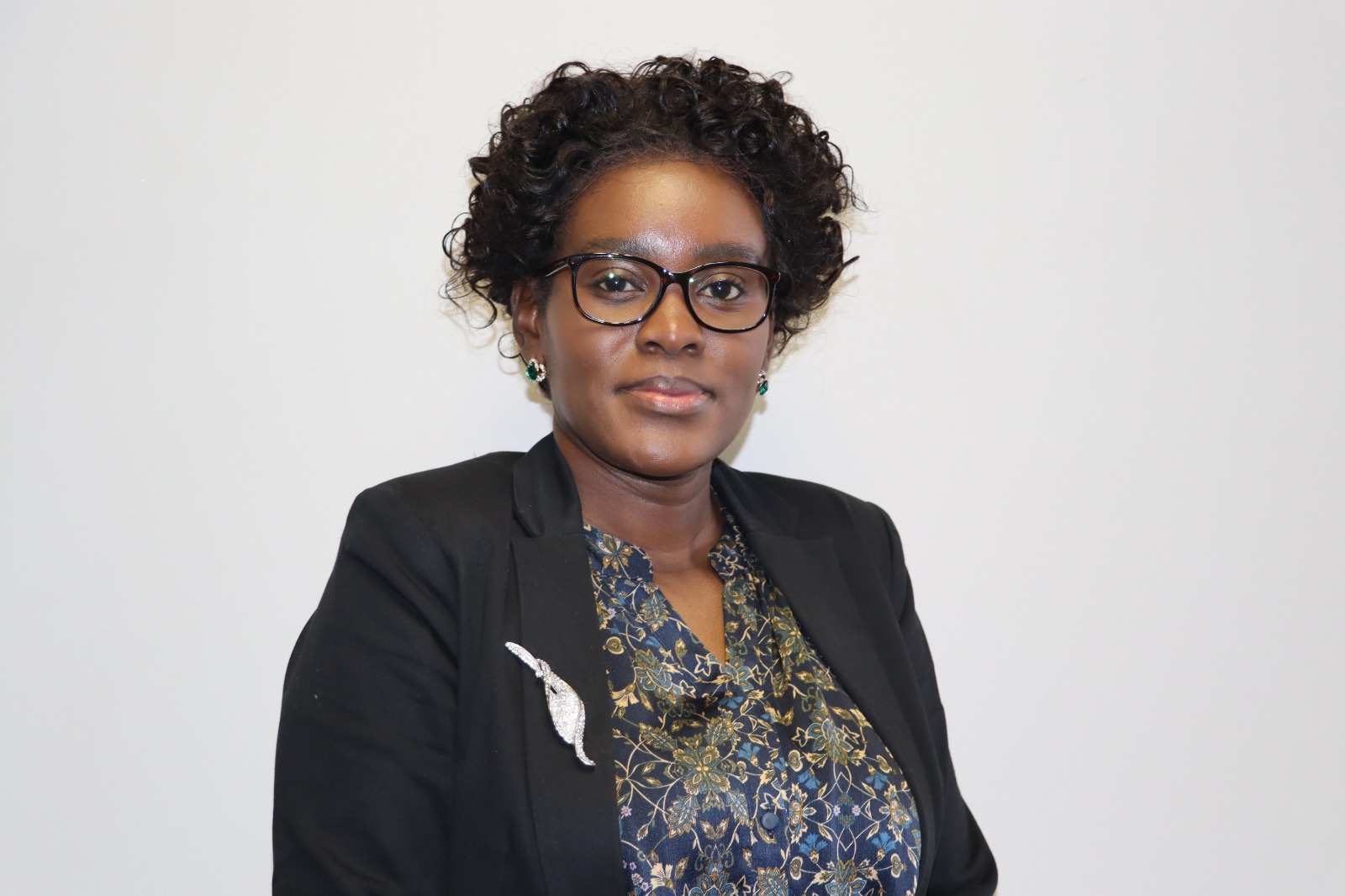
Mbabane – Finsure Assurance Company’s Chief Insurance Officer, Mrs. Nozipho Dlamini, has urged the adoption of inclusive insurance models to address the growing protection gap in Southern Africa, where millions remain without adequate financial cover against economic shocks.
Speaking to Executive Leadership Magazine, Dlamini said the protection gap — the difference between the coverage people need and what they actually have — is especially wide in Eswatini, where insurance penetration stood at just 2.23% in 2024, far below South Africa’s 11.54%. Other regional neighbours such as Botswana (2.28%) and Zambia (1.3%) also recorded low uptake rates.
Dlamini noted that the shortfall stems from several factors, including unaffordable premiums, low financial literacy, and limited access to service providers. She warned that the gap has severe consequences for households and economies, particularly in times of health emergencies, income loss, climate-related disasters, and minimal social welfare support.
She said inclusive insurance — which extends coverage to groups traditionally excluded from mainstream insurance products — could prevent health crises from turning fatal, protect breadwinners’ incomes, and shield small-scale farmers from climate-related losses.


While stressing that insurers must still meet profitability targets, Dlamini believes inclusive insurance can be sustainable, pointing to microinsurance schemes that use mobile technology and community-based distribution to lower costs and reach more people.


She added that inclusive insurance also fosters financial inclusion, reduces poverty risks, and boosts economic resilience. However, she cautioned that overcoming deep-rooted distrust of insurance, slow technology adoption, and poorly tailored products remains a challenge.
Dlamini called for greater investment in grassroots education, innovative distribution channels, and product designs that reflect the realities of low-income households. “We need to immerse ourselves in these communities to understand their needs and create offerings that truly work for them,” she said.




Discussion about this post