



Lobamba- Prime Minister Russell Mmiso Dlamini’s disruptive leadership approach has divided MPs, with some warning that the push for faster government action should not come at the expense of consultation and parliamentary oversight.
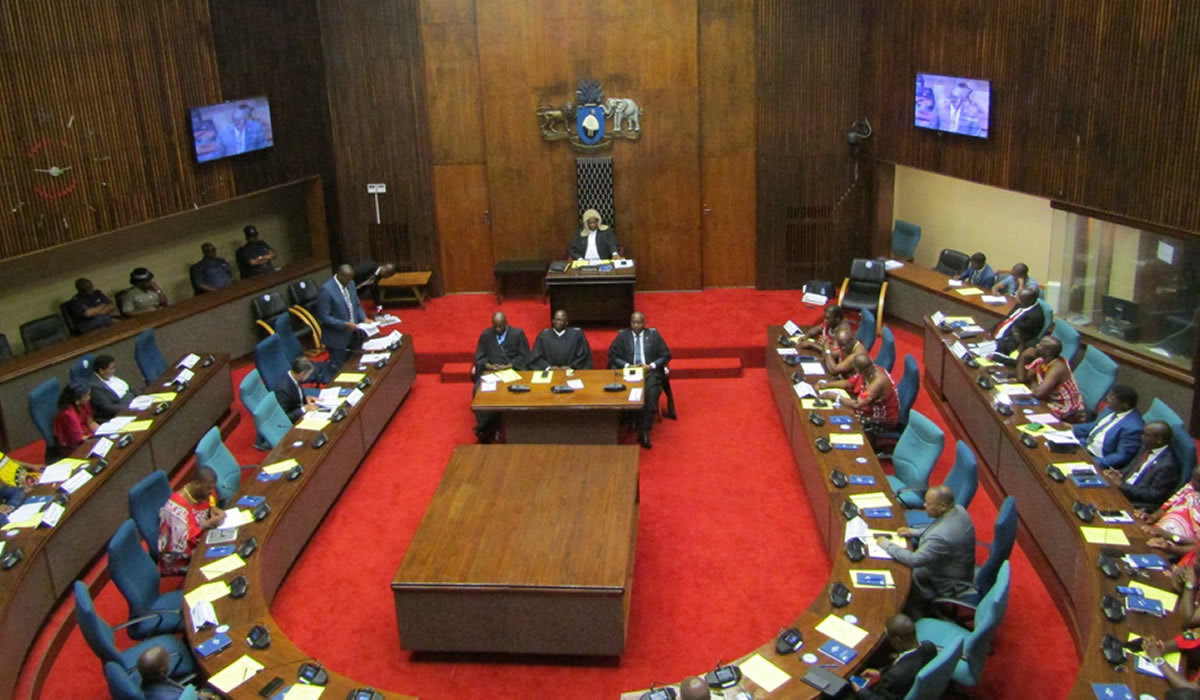
The issue came to the fore in the House of Assembly during debate on the report on the Prime Minister’s leadership on Monday, which was eventually adopted by the House.
While several MPs backed Dlamini’s approach as necessary to break bureaucratic bottlenecks and accelerate development, others questioned how far the executive could go in challenging established processes without compromising Parliament’s oversight role.
Mbabane East MP Welcome Dlamini cautioned MPs against what he described as “groveling” in their support of the Prime Minister.


He said Parliament should protect its independence and use its constitutional powers to scrutinise the executive.
Ngudzeni MP Charles Ndlovu, who seconded the motion, also questioned how major government decisions were made and who was consulted before they were implemented.
Ndlovu further questioned whether the Prime Minister’s approach was consistent with collective responsibility in Cabinet.


The concerns came as the Prime Minister continued to defend his leadership philosophy, arguing that Eswatini’s longstanding challenges could not be solved by continuing to do things in the normal way.
Dlamini has described disruptive leadership as taking extraordinary action in the public interest to address urgent challenges facing emaSwati.
He has linked the approach to the mandate arising from the Sibaya National Dialogue and His Majesty King Mswati III’s “Nkwe” implementation directive.
The Premier maintains that disruptive leadership is compatible with the Tinkhundla system because it promotes innovation, calculated risk-taking and faster, measurable development.
He has also argued that the country needs leaders who are prepared to make difficult decisions rather than people pleasers who protect an ineffective status quo.
However, his position received strong support from other MPs.
Mntfongwaneni MP Nathi “Mdockies” Hlophe said disruptive leadership should be supported if it could help deliver free education, tackle unemployment and remove bureaucratic bottlenecks.
Hhohho Region Women MP Tanele Zanele Magagula said MPs should separate personal political differences from effective governance and give the Prime Minister the necessary backing to execute his development mandate.
Minister for Agriculture and Close MP Mandla Tshawuka said leadership was situational, arguing that Eswatini’s unique challenges could require unconventional solutions.
Mhlangatane MP and Deputy Speaker Madala Mhlanga also backed the approach but warned that it could strain relations between the executive and legislature.
He called for greater collaboration between the two arms of government.
The differing views have brought into sharp focus the balance between decisive government action and the consultation expected in the country’s governance processes.
For supporters of the Prime Minister, the argument is that government cannot afford to remain trapped in procedures that delay development and service delivery.
For his critics, the concern is that the pursuit of speed should not weaken Parliament’s role in holding the executive to account.
The debate therefore goes beyond the description of Dlamini’s leadership as “disruptive”.
It raises questions about how far government can challenge established systems while maintaining consultation, collective responsibility and institutional oversight.

Discussion about this post